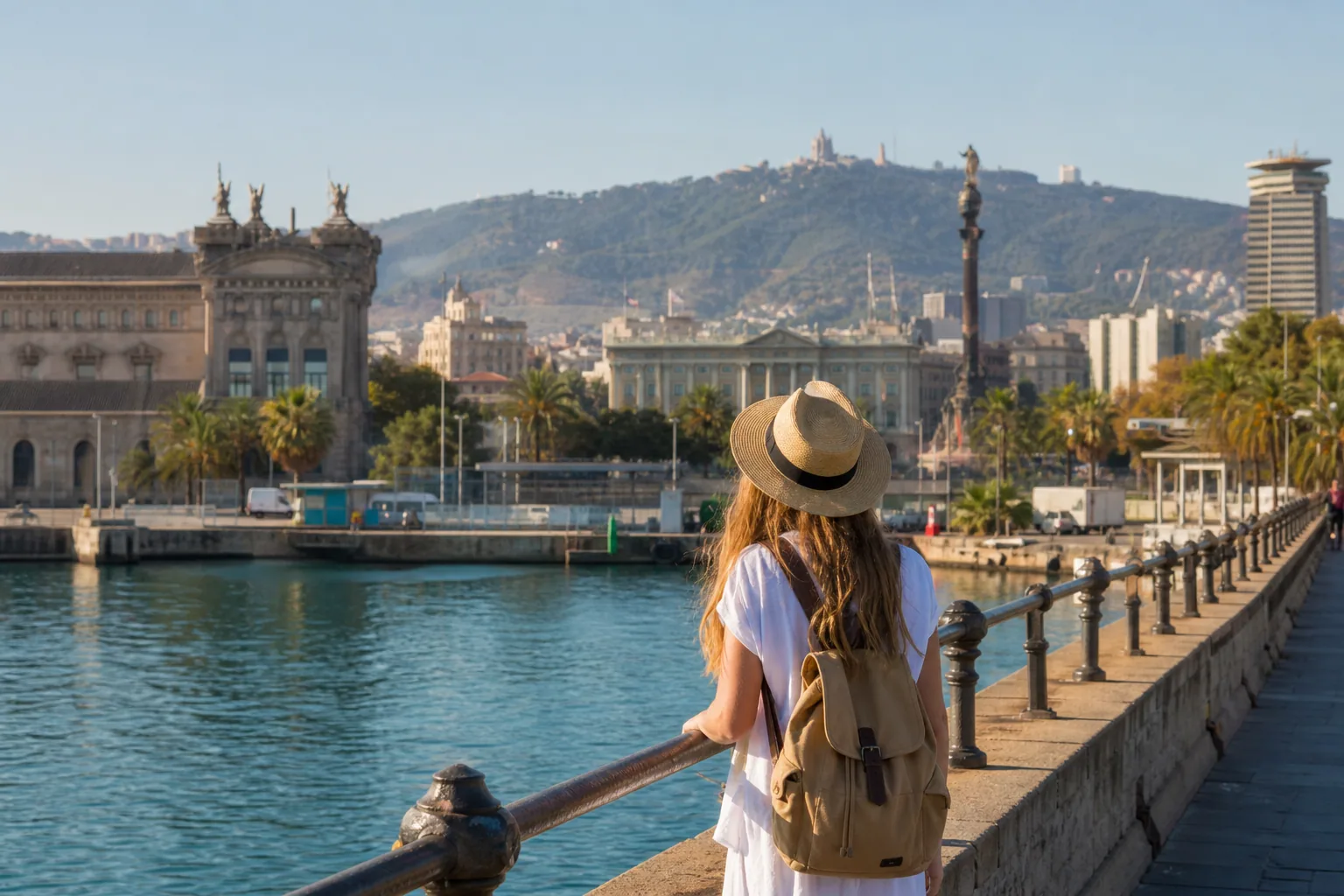
Barcelona is an easy city to over-plan. The port sits close enough to the center to make a strong independent day possible, but the terminal, shuttle, crowds, and timed attractions still decide how much fits comfortably.
Quick take
What matters most
- Confirm your terminal: Barcelona’s cruise facilities are not one single walkable pier.
- Treat the port shuttle as part of the journey, not as sightseeing time.
- Choose either a Gaudí-led day or an old-city-led day as your main plan.
- Recheck berth and return instructions close to arrival because port arrangements are evolving.
1. Identify the terminal before mapping the city
The Port of Barcelona lists multiple international passenger terminals, including facilities on Adossat wharf and at the World Trade Center area. The walking and transport assumptions are different, so a generic map pin for ‘Barcelona cruise port’ is not enough.
Use the cruise line’s arrival information and the port’s passenger pages shortly before the call. Barcelona is reorganizing cruise infrastructure through 2027, which makes current berth information more useful than an old blog map.
2. Build in the port-to-city transfer
The official port information distinguishes World Trade Center terminals near the public-transport network from Adossat terminals served by the port shuttle. Add waiting, loading, and the same journey in reverse to your day plan.
Once outside the port, Barcelona’s compact center rewards walking, but major sights are spread beyond the old city. Use the metro or a taxi for one deliberate jump rather than zigzagging repeatedly across town.
3. Pick one of two realistic first-time routes
For a Gaudí-led day, make Sagrada Família the fixed appointment and add one nearby neighborhood or exterior stop. Buy only through the official Sagrada Família site and leave enough time to reach the timed entrance from the port.
For an old-city day, combine the Gothic Quarter, El Born, and the waterfront at a slower pace. This route is easier to shorten if disembarkation runs late and gives you more freedom to stop for food without losing the main experience.
4. Protect the return half of the day
Set a city-departure time, not only an all-aboard time. Your buffer needs to cover the final walk or metro ride, traffic or a missed connection, the port shuttle, and terminal security.
Keep the last part of the day closer to the port side of the city. A distant final stop creates more risk than the same attraction visited first.
5. Plan for heat, queues, and crowded streets
Summer sun can make a route feel longer than it looks. Alternate exposed sights with shade or an indoor stop, carry water, and avoid turning every viewpoint into a fixed deadline.
Timed admission removes one uncertainty but creates another: you must arrive when promised. Book one key timed attraction, not a chain of reservations that collapses after a small delay.
6. Keep a port-side backup plan
If the call is shortened or transport is disrupted, switch to the waterfront, Gothic Quarter, and a relaxed meal rather than trying to preserve a cross-city itinerary. A smaller complete day is better than spending the visit chasing the original schedule.
Before leaving the ship, record the terminal, all-aboard time, and current shuttle instructions. Those three details matter more than a saved list of twenty attractions.
Save before booking
Barcelona port-day check
Exact cruise terminal confirmed
Port shuttle included in both directions
One main city route selected
Official timed ticket booked if needed
City-departure time set
Short port-side backup route saved
Official source notes
These sources support the operator rules and practical travel points in this guide. Our recommendations are editorial judgments, not promises by a provider. Accessed August 30, 2026.