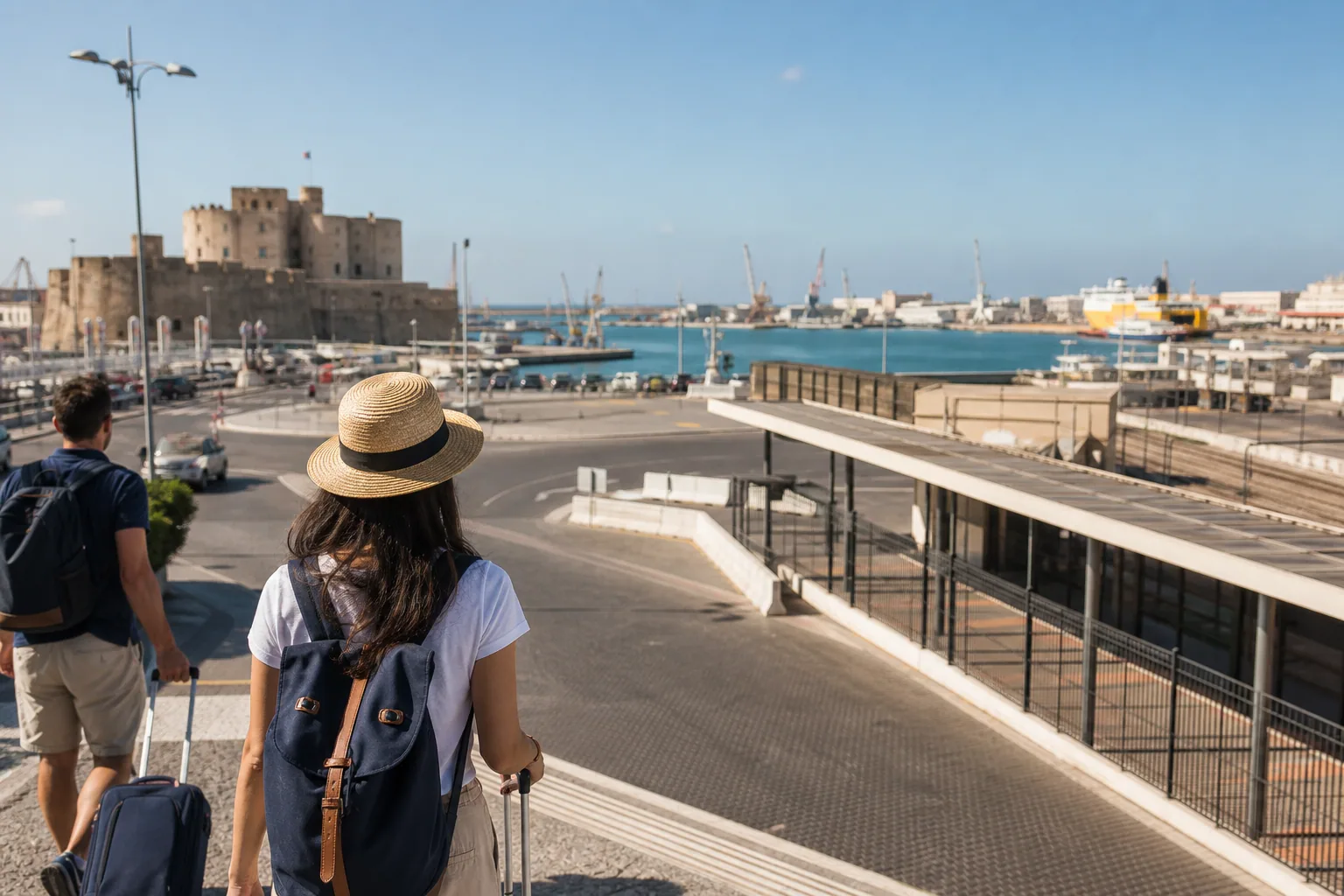
The best port day is rarely the one with the longest sightseeing list. It is the one that accounts for the actual pier, transport time, heat, queues, and a calm return to the ship.
Quick take
What matters most
- Find the likely berth and confirm it again close to arrival.
- Plan door-to-door time, including queues and the return journey.
- Choose one anchor experience and treat everything else as optional.
- Carry the ship’s contact details and return well before the stated cutoff.
1. Start with the actual port, pier, and arrival method
A city name in an itinerary does not tell you where you step ashore. Some terminals are walkable, some need a shuttle, and some gateways are a substantial drive or train ride from the headline destination.
Use the official port website and the cruise line’s current information. Barcelona is a useful example: the official port distinguishes terminals near the public transport network from Adossat pier, which uses a port shuttle. That difference changes the first and last part of the day.
2. Build the day on the ship’s clock
Record the all-aboard time, whether ship time differs from local time, and when independent guests are likely to get ashore. Do not treat scheduled arrival as the moment you can begin sightseeing.
Set your personal return target earlier than the final cutoff. The right buffer depends on distance, transport reliability, tender operations, mobility, and how easily you can switch to a backup route.
3. Price and time the complete transport chain
Map every leg: terminal exit, shuttle, station, ticket purchase, transfer, walk, and the same sequence in reverse. Save offline directions and the names of the terminal and ship in the local language where useful.
For longer journeys, identify a later train or alternate route before you leave. A plan B is valuable only when you know it exists and still fits your return deadline.
4. Choose one anchor experience
Pick the museum, neighborhood, food experience, beach, or viewpoint that would make the day worthwhile on its own. Reserve timed entry only when it removes a meaningful queue and still leaves a realistic arrival window.
Add one nearby extra and one optional stop. This creates a day that can expand when everything runs smoothly and contract without feeling like a failure.
5. Plan for heat, terrain, and the slowest traveler
Mediterranean port days can combine exposed sun, steep streets, polished stone, and long waits. Check shade, water access, accessibility, and the walking distance between stops rather than relying on a map that only shows kilometers.
Schedule a real pause. A lunch or café break is often what keeps the final hours enjoyable, especially with children or during hot weather.
6. Decide when an organized tour earns its price
An organized excursion can be useful when the destination is far from port, transport is fragile, access is capacity-limited, or the logistics would consume the day. Independent travel can be better when the center is close, transport is frequent, and you value flexibility.
Compare the experience, not only the price: group size, time at the main stop, cancellation terms, mobility requirements, and what happens if the itinerary changes.
7. Carry a small recovery plan
Save the port agent or ship contact information supplied onboard, keep essential documents and payment options with you, and know the terminal name. If transport fails, act early rather than waiting for the original plan to recover.
Before leaving the ship, check the current return instructions. Operational details can change between planning and arrival.
Save before booking
Before you walk off the ship
Terminal or tender point confirmed
All-aboard time and ship time recorded
Outbound and return transport mapped
One anchor experience chosen
Personal return buffer set
Offline map and backup route saved
Ship or port-agent contact details carried
Official source notes
These sources support the operator rules and practical travel points in this guide. Our recommendations are editorial judgments, not promises by a provider. Accessed August 30, 2026.